Skip to content
Chimera readability score 78 out of 100, Expert reading level.

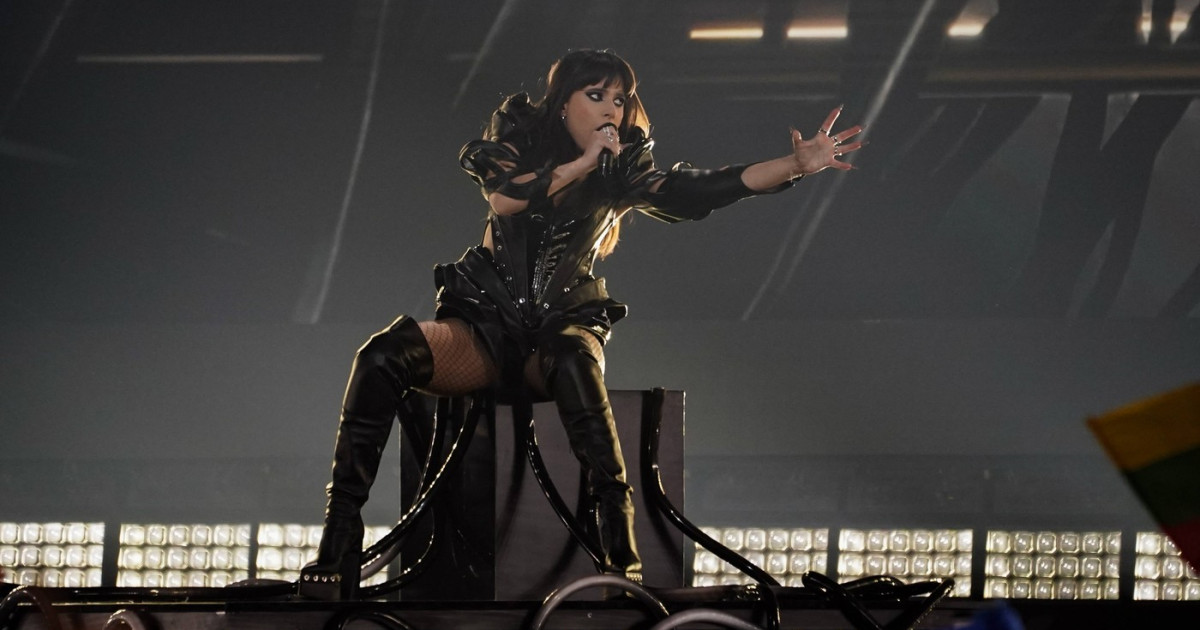
Alexandra Căpitănescu, reprezentanta României la Eurovision Song Contest 2026, care are loc la Viena s-a calificat în finala de sâmbătă, cu piesa „Choke Me”.
România a intrat în concurs, în cea de-a doua semifinală Eurovision 2026, cu numărul de concurs 03. Reprezentanta României, Alexandra Căpitănescu, va urca pe scena Wiener Stadthalle din Viena alături de trupa sa şi va interpreta piesa „Choke Me”.
Setarile tale privind cookie-urile nu permit afisarea continutul din aceasta sectiune. Poti actualiza setarile modulelor coookie direct din browser sau de aici – e nevoie sa accepti cookie-urile social media
Marea Finală Eurovision 2026 va fi transmisă în direct de Televiziunea Română, în 16 mai, de la ora 22:00.
Cele zece ţări calificate pentru marea finală sunt: Bulgaria, Ucraina, Norvegia, Australia, România, Malta, Cipru, Albania, Danemarca, Cehia.
În cadrul celei de-a doua semifinale au urcat pe scenă şi reprezentanţii Franţei, Marii Britanii şi Austriei. Cele trei ţări sunt calificate direct în Marea Finală, însă publicul din aceste ţări a putut vota în semifinala de joi, inclusiv pentru România.
Citește și Eurovision 2026: Republica Moldova s-a calificat în finală
Cum a putut vota publicul din România
Publicul din România îşi poate susţine favoriţii prin SMS sau online, însă, conform regulamentului Eurovision Song Contest, nu poate vota pentru reprezentantul propriei ţări.
Pentru a vota, telespectatorii români au trimis un SMS cu numărul de concurs al piesei preferate. Votul online este disponibil pe platforma oficială Eurovision.
Fiecare utilizator poate acorda maximum 10 voturi, distribuite unui singur concurent sau mai multor participanţi.
Cum a putut fi votată România
România poate primi voturi din ţările care votează în semifinala a doua, precum şi din categoria „Rest of the World”, destinată publicului din statele neparticipante.
Astfel, telespectatorii au putut să o voteze pe Alexandra Căpitănescu dacă se aflau într-una dintre ţările care au votat în această semifinală şi au folosit o metodă locală de televoting sau de plată online compatibilă cu regulamentul competiţiei.
Votul a fost deschis după prestaţia ultimei ţări participante şi a rămas activ pentru o perioadă limitată, anunţată în direct în timpul transmisiunii.
Alexandra Căpitănescu este câştigătoarea Selecţiei Naţionale Eurovision 2026 şi una dintre cele mai vizibile voci ale noii generaţii de artişti români. Publicul larg a cunoscut-o în 2023, când a câştigat trofeul emisiunii „Vocea României”, după un parcurs care a convins atât juriul, cât şi publicul.
Absolventă a Facultăţii de Fizică şi, în prezent, studentă la master în fizică medicală, Alexandra îmbină un profil academic atipic cu un parcurs artistic în plină dezvoltare, construindu-şi identitatea muzicală în jurul autenticităţii şi al expresiei directe. După câştigarea concursului de talente, artista şi-a consolidat prezenţa pe scena muzicală prin lansări proprii şi colaborări, dezvoltând un stil care combină sensibilitatea cu o energie scenică puternică.
Piesa „Choke Me”, cu care va reprezenta România la Eurovision Song Contest 2026, abordează, într-un limbaj metaforic, stările de presiune emoţională şi blocaj interior. Titlul nu are un sens literal, ci descrie senzaţia de a fi copleşit de propriile gânduri, de frici sau de aşteptări venite din exterior. Mesajul piesei este unul despre conştientizare şi depăşire: despre momentul în care alegi să îţi înfrunţi vulnerabilităţile, să îţi accepţi limitele şi să îţi regăseşti echilibrul. În această construcţie, fragilitatea nu este ascunsă, ci devine parte din forţa de a merge mai departe.
Editor : A.C.

Facts Only

Alexandra Căpitănescu represented Romania at the Eurovision Song Contest 2026 with the song "Choke Me." Romania entered the second semi-final with entry number 03. The Grand Final will take place on May 16 in Vienna. Ten countries qualified for the Grand Final, including Bulgaria, Ukraine, Norway, Australia, Romania, Malta, Cyprus, Albania, Denmark, and Czechia. France, Great Britain, and Austria qualified directly to the Grand Final. Voting in the semi-finals was conducted via SMS or an online platform. The public in Romania could vote for other countries but not for Romania. Romania could receive votes from countries participating in the second semi-final and the "Rest of the World" category.

Executive Summary

Alexandra Căpitănescu, representing Romania, participated in the second semi-final of the Eurovision Song Contest 2026 in Vienna with the song "Choke Me." Romania was among the ten countries qualified for the Grand Final, which will be broadcast on May 16. The voting process for the semi-finals allowed telespectators from participating countries to vote, including for Romania, via SMS or an official online platform, subject to contest regulations. The event featured the participation of France, Great Britain, and Austria, who qualified directly. The narrative also details Căpitănescu’s background, noting her academic pursuits in physics and her artistic development, focusing on an authentic and energetic style. The song "Choke Me" is described as dealing with emotional pressure and internal blockage, aiming to convey a message of self-awareness and acceptance of vulnerability.

Full Take

The presentation of the narrative balances concrete procedural information about the contest with a highly personalized artistic and biographical focus on the representative. The detailed description of the song's thematic content—exploring emotional pressure, vulnerability, and self-acceptance—serves to frame the performance not merely as entertainment, but as a vehicle for deep personal expression. This framing links the artist's intellectual background (physics studies) with her artistic output, establishing a specific, potent identity. The system governing public voting is detailed, emphasizing the rules of distribution and the mechanism for non-national voting, which positions the contest as a structured interaction between sovereign audiences. The underlying pattern suggests a modern media approach where geopolitical events (the contest) are filtered through individual narratives (the artist's journey and the song's metaphor). The implication is that emotional and personal stories are highly effective tools for engaging a broad public, transforming abstract competition into a reflection of universal human experience. The absence of explicit analysis on the political or cultural dynamics of the voting structure means the focus remains on the individual performer, which deflects critical inquiry into the broader context of international representation and media power.

Sentinel — Human

Confidence

The article reads as a professionally written editorial that seamlessly blends verifiable contest facts with thoughtful, personalized analysis of the artist and song, strongly indicating human authorship.

Signals Detected
low severity: Variable sentence length and tone; shift from dry reporting to reflective, literary prose.
low severity: Fluent transition between administrative facts (voting rules) and subjective artistic analysis (song interpretation).
low severity: Specific, non-generic details regarding voting regulations and the detailed biographical context of the artist.
low severity: The emotional and thematic interpretation of the song is highly personalized and constructed, suggesting editorial intent rather than raw data generation.
Human Indicators
The text features a distinct voice that blends factual reporting with deep, subjective artistic and personal commentary, which is characteristic of human editorial work.
The presence of a specific editor attribution ('Editor: A.C.') points towards a human authorship and internal editorial process.
Eurovision 2026: Alexandra Căpitănescu, reprezentanta României, s-a calificat în finală cu piesa „Choke Me” — Arc Codex