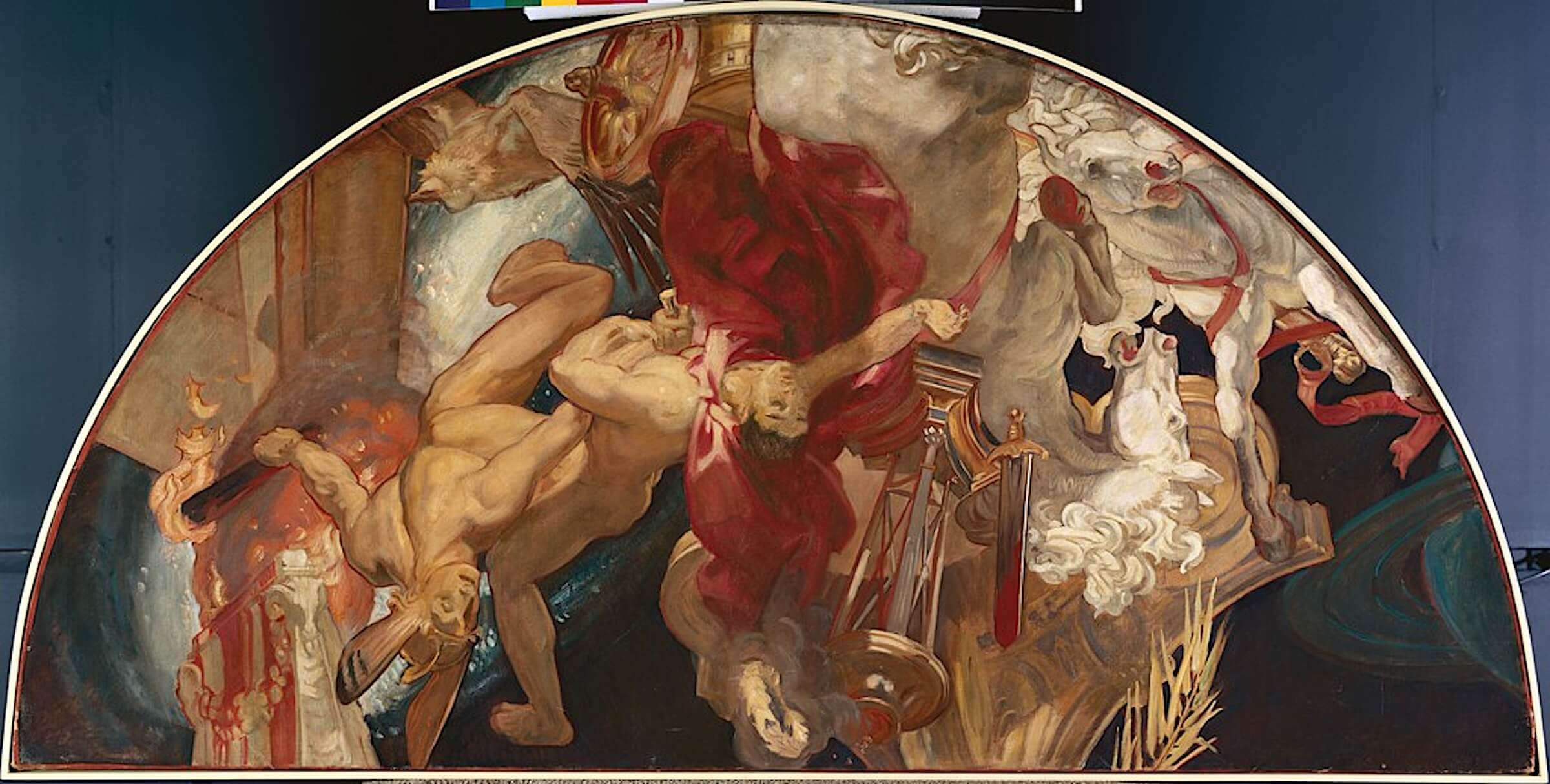
װי גוג און מגוג זענען געבליבן באַטײַטיק ביזן הײַנטיקן טאָגHow Gog and Magog have remained relevant throughout history
אין משך פֿון טױזנטער יאָרן האָבן ייִדן, קריסטן און מוסולמענער געפּרוּװט אױסטײַטשן יחזקאלס סודותדיקע נבֿואה
די תּנכישע נבֿואה װעגן גוג און מגוג, צװײ מעכטיקע צפֿונדיקע פֿעלקער װאָס װעלן אין דער צוקונפֿט באַפֿאַלן ישׂראל, האָט לאַנג פֿאַרכאַפּט ייִדישע, קריסטלעכע און איסלאַמישע מיסטיקער און טעאָלאָגן.
יחזקאל הנבֿיא האָט פּרטימדיק באַשריבן די קומעדיקע מלחמה אין זײַן ספֿר, אין די קאַפּיטלען לח־לט. גאָט װעט ברענגען די מחנות פֿון גוג און מגוג „פֿון די עקן פֿון צפֿון“ און צעשטערן זײ אין „די בערג פֿון ישׂראל“. צום סוף, זאָגט גאָט דורך זײַן נבֿיא אין יהואשס תּרגום, וועט ער „ געבן מײַן כּבֿוד צװישן די פֿעלקער, און אַלע פֿעלקער װעלן זען מײַן משפּט װאָס איך האָב געטאָן […] און דאָס הױז פֿון ישׂראל װעט װיסן פֿון יענעם טאָג אָן און װײַטער, אַז איך בין י״ה זײער גאָט.“
די פֿילצאָליקע אױסטײַטשונגען פֿונעם דאָזיקן תּנ״כישן מאָטיװ װערן פּרטימדיק אױסגעפֿאָרשט אינעם װאָגיקן צװײ־בענדיקן זאַמלבוך פֿון העכער װי אײן טױזנט זײַטן: „גוג און מגוג: בײַטראָגן צו דער װעלט־געשיכטע פֿון אַן אַפּאָקאַליפּטישן מאָטיװ“, רעדאַקטירט דורכן פֿאָרשער פֿון איסלאַמישער קולטור זשאָרזש טאַמער (אוניװערסיטעט פֿון ערלאַנגען־נירנבערג, דײַטשלאַנד) און אַנדערע.
די פֿאָרשער פֿונעם אוראַלטן מיטל־מזרח האָבן לאַנג געפּרוּװט טרעפֿן, װעלכע היסטאָרישע פֿעלקער האָט יחזקאל געהאַט אין זינען אין זײַן נבֿואה. לרובֿ האַלט מען, אַז דאָס זײַנען געװען די נאָמאַדישע שבֿטים אין צפֿונדיקע סטעפּן אין הײַנטיקן קאַזאַכסטאַן, װאָס פֿלעגן פֿון מאָל צו מאָל באַפֿאַלן די שטעט פֿון די אוראַלטע אימפּעריעס בבֿל און פּרס (פּערסיע).
אָבער װיכטיקער ווי די רעאַלע היסטאָרישע פֿאַקטן זײַנען כּלערלײ סימבאָלישע אױסטײַטשונגען פֿון גוג און מגוג. „אין דער מערבֿדיקער טראַדיציע זײַנען גוג און מגוג געװײנטלעך פֿאַרבונדן מיטן כאַאָס,“ שרײַבן די רעדאַקטאָרן. די קריסטלעכע טעאָלאָגן אין מיטלאַלטער האָבן כּסדר אױסגעטײַטשט גוג און מגוג אַלעגאָריש און ניט געזוכט קײן פֿאַרבינדונג מיט רעאַלע פֿעלקער. מען האָט בײַ זײ געזען דעם שׂטן אין דער געשטאַלט אַנטי־קריסטוס, װאָס װעט זיך באַװײַזן אין די לעצטע טעג כּדי אָפּצושטעלן דעם צװײטן קומען פֿון ישו הנוצרי אין דער געשטאַלט פֿון משיח.
ייִדן שפּילן אַ װיכטיקע ראָלע אין אָט דער קריסטלעכער סכעמע פֿון אַחרית־הימים, שרײַבט דער פֿאָרשערמאַטיאַס קאַופּ (הומבאָלדט־אוניװערסיטעט, בערלין): לכתּחילה װעלן ייִדן פֿאָלגן דעם אַנטי־קריסטוסן, אָבער דערנאָך װעלן זײ אַלע אָננעמען די קריסטלעכע אמונה און פֿאַרנעמען פֿירנדיקע פּאָזיציעס אין דער קריסטלעכער קירך. זײ װעלן פֿירן די מלחמה קעגן די מחנות פֿון גוג און מגוג און אַ היפּשע צאָל פֿון זײ װעלן אומקומען „על קידוש הקריסטוס“.
די ייִדישע מקורים — די מישנה, די גמרא און פֿאַרשײדענע מדרשים — האַלטן גוג און מגוג פֿאַר אַן אַלעגאָרישער פֿיגור פֿון שׂונאי־ישׂראל, װאָס קומען אַרױס קעגן ייִדן אין יעדן דור. אָבער סוף־כּל־סוף װעלן זײ פֿאַרטיליקט װערן דורך משיח בן דוד אין דער מלחמה װאָס װעט ברענגען די גאולה.
און דאָ פֿרעגט מען אַ װיכטיקע פֿראַגע: צי דאַרפֿן ייִדן זיך אַקטיװ באַטײליקן אין דער מלחמה קעגן גוג און מגוג, אָדער זאָלן זיי אפֿשר װאַרטן געדולדיק אױף דער גאולה, װאָס דער משיח װעט זײ ברענגען? דער תּרגום שיר השירים װאָרנט, אַז ייִדן זאָלן זיך ניט אַנטקעגנשטעלן מיליטעריש קעגן גוג און מגוג, דהײנו, קעגן די אומות־העולם. אַנשטאָט דעם דאַרפֿן ייִדן לערנען תּורה. די היסטאָריקערין העלען ספּערלינג (אוניװערסיטעט פֿון סאַוטהעמפּטאָן, ענגלאַנד) האַלט, אַז אַזאַ פּאָזיציע שפּיגלט אָפּ דעם פּאָליטישן מצבֿ פֿון ייִדן אין דער צײַט פֿונעם אױפֿקום פֿון איסלאַם אינעם זיבעטן יאָרהונדערט, װען דער דאָזיקער תּרגום איז פֿאַרפֿאַסט געװאָרן.
דער היסטאָריקער גדי שׂגיב (דער אָפֿענער אוניװערסיטעט, ישׂראל) באַטראַכט דעם מאָטיװ פֿון גוג און מגוג אין חסידות. אײניקע רבייִם האָבן דערזען סימנים פֿון פֿון גוג און מגוג אין דעם אױפֿקום פֿון נאַפּאָלעאָן און זײַן מלחמה קעגן רוסלאַנד. אָבער זײ זײַנען ניט געװען אײַנשטימיק אין זײער אױסטײַטשונגען. איז נאַפּאָלעאָן געװען גוט פֿאַר די ייִדן אָדער ניט? אײניקע פּױלישע רבייִם האָבן געשטיצט נאַפּאָלעאָן װי אַ פֿירגײער פֿונעם משיחן, בעת ר׳ שניאור זלמן פֿון ליאַדי, דער גרינדער פֿונעם חב״ד, האָט זיך געהאַלטן בײַ דער רוסישער זײַט, טענהנדיק, אַז נאַפּאָלעאָן איז געװען אַ פֿרײַדענקער, װאָס װעט אַראָפּפֿירן ייִדן פֿונעם דרך־היושר.
אינעם צװאַנציקסטן יאָרהונדערט האָבן אײניקע רבנים אױסגעטײַטשט די בײדע װעלט־מלחמות אינעם גײַסט פֿון דער נבֿואה װעגן גוג און מגוג. זײ האָבן געהאַלטן, אַז די גרױסע חורבנות װעלן גורם זײַן די גאולה פֿאַר ייִדן. אָבער ר׳ יעקבֿ פֿרידמאַן פֿון הוסיאַטין האָט געװאָרנט אין די ערשטע חדשים פֿון דער צװײטער װעלט־מלחמה, אַז עס איז אין גאָטס רשות צו באַשליסן, צי די דאָזיקע מלחמה װעט טאַקע זײַן די מלחמה פֿון גוג און מגוג, װאָס װעט ברענגען די גאולה. און כּדי דאָס מקיים צו זײַן, דאַרפֿן אַלע ייִדן תּשובֿה טאָן.
אינעם קאָראַן טראָגן גוג און מגוג די נעמען יאַדשודש און מאַדזשודזש. זײ װױנען הינטער אַ װאַנט און „פֿאַרשפּרײטן פֿאַרדאָרבונג אױף דער ערד“. אײניקע איסלאַמישע חכמים האָבן אױסגעטײַטשט די דאָזיקע װאַנט װי די קאַװקאַזישע בערג, װאָס גרענעצן אָפּ די איסלאַמישן װעלט פֿון צפֿון. אָבער להיפּוך צו קריסטן און ייִדן, האָבן די מוסולמענער ניט פֿאַרבונדן אָט די פֿעלקער מיטן משיח און אַחרית־הימים, שרײַבט דער איסלאַם־פֿאָרשער דײװיד קוק פֿונעם רײַס־אוניװערסיטעט אין טעקסאַס.
זינט די אוראַלטע צײַטן פֿון יחזקאל הנבֿיא און עד־היום זוכט מען סימנים פֿון דער מלחמה פֿון גוג און מגוג אין כּלערליי היסטאָרישע און פּאָליטישע געשעענישן. אין פֿאַרשײדענע תּקופֿות האָבן גוג און מגוג באַקומען ביז גאָר אַנדערע פּנימער: די רױמישע, די טערקישע און די מאָנגאָלישע אימפּעריעס, רוסלאַנד, איראַן וכדומה. כּסדר זוכט מען דעם שליסל צו דעם גרעסטן רעטעניש: װען זשע װעט קומען די גאולה?
די דאָזיקע נבֿואה האַלט אין אײן אױפֿרײצן ייִדישע, קריסטלעכע און איסלאַמישע מיסטיקער. װען מען קלאַפּט אַרײַן „גוג און מגוג“ אין „גוגל“, קריגט מען פֿאַרשײדענע מינים אױסטײַטשונגען, װאָס פֿאַרזיכערן, אַז די מלחמה פֿון גוג און מגוג קומט פֿאָר דװקא איצט, װען אַמעריקע און ישׂראל באָמבאַרדירן איראַן. זײ האַלטן דאָס פֿאַר אַ קלאָרן סימן, אַז משיח האַלט שױן אויפֿן װעג.
This is a moment of great uncertainty. Here’s what you can do about it.
We hope you appreciated this article. Before you go, we’d like to ask you to please support the Forward’s independent Jewish news. All donations are still being matched by the Forward Board - up to $100,000 until April 24.
This is a moment of great uncertainty for the news media, for the Jewish people, and for our sacred democracy. It is a time of confusion and declining trust in public institutions. An era in which we need humans to report facts, conduct investigations that hold power to account, tell stories that matter and share honest discourse on all that divides us.
With no paywall or subscriptions, the Forward is entirely supported by readers like you. Every dollar you give is invested in the future of the Forward — and telling the American Jewish story fully and fairly.
The Forward doesn’t rely on funding from institutions like governments or your local Jewish federation. There are thousands of readers like you who give us $18 or $36 or $100 each month or year.
Facts Only
The prophecy of Gog and Magog appears in the Book of Ezekiel, chapters 38–39.
Jewish, Christian, and Islamic traditions have interpreted Gog and Magog as symbolic or literal enemies of Israel.
Some scholars link Gog and Magog to ancient nomadic tribes from modern-day Kazakhstan.
Christian medieval theology associated Gog and Magog with the Antichrist and the end times.
Jewish sources, including the Mishnah and Midrash, depict Gog and Magog as allegorical foes of Israel in every generation.
Some 18th–19th century rabbis saw Napoleon’s wars as potential fulfillments of the prophecy.
The 20th century saw interpretations linking World Wars and modern conflicts to Gog and Magog.
Islamic traditions sometimes identify Gog and Magog with the Caucasus region.
The Forward is a Jewish news outlet relying on reader donations for independent journalism.
The article references academic perspectives from scholars at universities in Germany, Israel, and England.
Executive Summary
Full Take
The enduring fascination with Gog and Magog reveals a deep human need to frame chaos through eschatological narratives. The prophecy’s malleability—applied to everyone from Napoleon to modern geopolitical rivals—suggests it functions less as a specific prediction and more as a psychological and theological tool for processing existential threats. This pattern of retrofitting ancient texts to contemporary crises isn’t unique to Gog and Magog; it’s a recurring feature of apocalyptic thought across cultures. The real power of such narratives lies in their ability to unify or divide communities, depending on how they’re wielded.
What’s striking here is the tension between passive expectation and active participation. Jewish sources debate whether humans should fight Gog and Magog or wait for divine intervention, mirroring broader theological questions about free will and providence. The Christian framing, with its Antichrist motif, often leans toward a more dualistic, confrontational stance, while Islamic interpretations vary widely. This divergence highlights how the same text can serve opposing agendas—justifying either militarism or pacifism, depending on the interpreter’s context.
The article’s inclusion of modern geopolitical speculations (e.g., Iran, Russia) as potential Gog and Magog candidates is a classic example of how eschatological narratives can be weaponized for contemporary ends. It’s worth asking: When does prophecy become propaganda? And how do we distinguish between genuine spiritual reflection and the exploitation of fear for political or social control?
Patterns detected: ARC-0024 Ambiguity (deliberate vagueness in eschatological claims), ARC-0043 Motte-and-Bailey (shifting between literal and symbolic interpretations as convenient).
Counterstrike scan: If this were part of a coordinated influence campaign, the playbook would involve amplifying apocalyptic narratives during periods of geopolitical tension to stoke fear and polarize audiences. The actual content, however, appears to be a legitimate exploration of religious and historical interpretations rather than a manipulative effort. No structural alignment with a disinformation playbook is detected.
Sentinel — Human
The provided text delves into the profound and enduring nature of religious and historical narratives, particularly those concerning prophecy and ultimate salvation. It uses the sweeping scope of these themes to frame a larger argument about the necessity of informed public discourse. The excerpt transitions from analyzing the historical weight of these concepts to directly addressing the reader, urging them to support journalism that provides this essential context, emphasizing the importance of media integrity in a time of uncertainty.