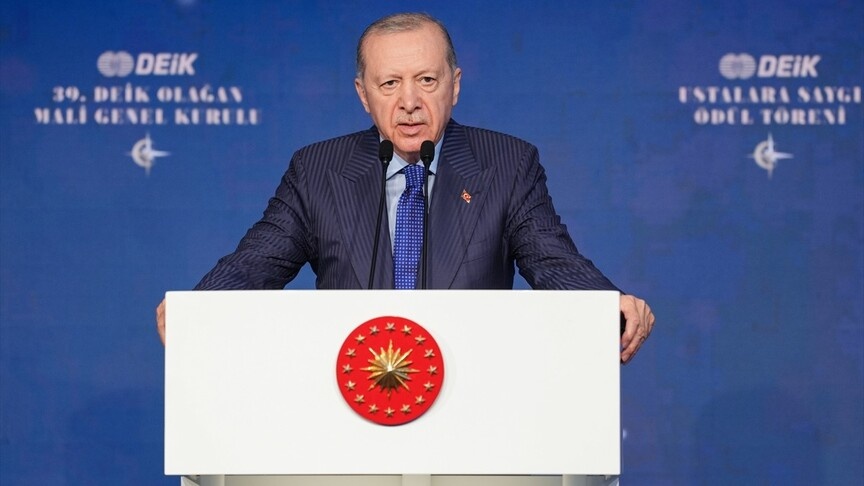
به گزارش کردپرس، رجب طیب اردوغان، رئیسجمهور ترکیه، در سخنرانی خود در مجمع عمومی شورای روابط اقتصادی خارجی ترکیه (DEİK) با اشاره به پیامدهای جنگ ایران بر اقتصاد جهانی، ابراز امیدواری کرد که با کاهش شوکهای ناشی از این جنگ در بازارهای انرژی، روند مهار تورم در ترکیه نیز شتاب بگیرد.
اردوغان گفت: «امیدواریم با فروکش کردن موجهای شوکی که جنگ ایران در بازارهای انرژی ایجاد کرده است، در زمینه تورم نیز به نرخهای مورد انتظار خود دست یابیم.»
او همچنین تأکید کرد که اقتصاد ترکیه با وجود شرایط دشوار جهانی همچنان به رشد خود ادامه میدهد و افزود: «با وجود فضای دشواری که تمام جهان، از جمله کشورهای توسعهیافته، با آن روبهرو هستند، ما رشد اقتصادی خود را برای ۲۳ فصل متوالی بدون وقفه ادامه دادهایم.»
گفتنی است اردوغان چند روز پیش نیز در مراسم افتتاح پروژههای انرژی به پیامدهای جنگ ایران اشاره کرده و گفته بود بحران ناشی از این جنگ، اهمیت ترکیه را در امنیت و انتقال انرژی منطقه افزایش داده است. او همچنین تأکید کرده بود که نوسانات بازار نفت و تحولات پیرامون مسیرهای انتقال انرژی، امنیت انرژی را به یکی از مهمترین موضوعات راهبردی جهان تبدیل کرده است.
نظر شما
Facts Only
* Recep Tayyip Erdoğan, President of Turkey
* Speech at DEİK Foreign Economic Relations Board's General Assembly on Economical Relations
* Optimism about decreased terrorist activity in Turkey due to economic shocks from Iran conflict in energy markets
* Acknowledgment of continued growth of Turkish economy despite global challenges
* Energy security identified as a major strategic issue globally
Executive Summary
Full Take
Erdoğan's statements suggest an awareness of the potential impacts of the ongoing Iran conflict on Turkey's domestic security and economy. By linking the energy market instability to decreased terrorist activity, Erdoğan may be emphasizing the interconnected nature of global economic and security issues. Additionally, his emphasis on energy security as a strategic issue could indicate a focus on strengthening Turkey's position in the region, potentially through increased investment in alternative energy sources or enhanced diplomatic efforts with energy-rich countries.
It is worth considering the potential motivations behind Erdoğan's framing of these issues, as well as any underlying geopolitical implications. For example, how might Turkey's stance on energy security align with its broader foreign policy objectives in the region? Additionally, what role does the Iran conflict play in shaping Turkey's approach to terrorist activity within its borders? Further analysis could also explore potential counter-strategies that other countries might employ in response to Erdoğan's statements, such as increased investment in alternative energy sources or diplomatic efforts aimed at undermining Turkey's regional influence.