Gardens Colorado Edition
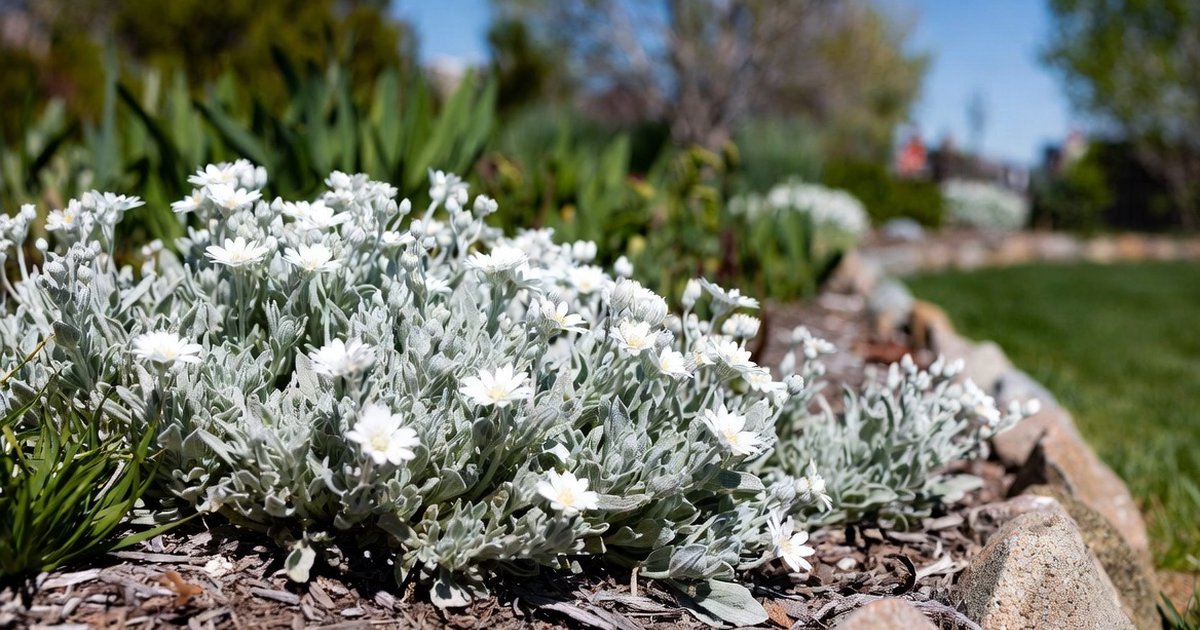
Cerastium tomentosum, commonly known as Snow-in-Summer, brings a cool, shimmering elegance to the garden with its dense mat of silvery-gray foliage and profusion of bright white, star-shaped flowers in late spring and early summer. This low-growing perennial creates a luminous carpet that reflects sunlight beautifully, making it a favorite for brightening rock gardens, stone walls, and sunny borders in the Front Range.
For Fort Collins gardeners looking for a tough, water-wise groundcover that thrives in challenging dry spots where other plants struggle, Snow-in-Summer is an outstanding performer. It’s far more drought-tolerant than many traditional groundcovers, yet its soft, woolly texture adds a touch of refinement to cottage and rock garden designs.
At-a-Glance Care Guide
Botanical Name: Cerastium tomentosum (Snow-in-Summer)
USDA Zones: 3–7 (excellent for Fort Collins)
Mature Height: 6–12 inches (foliage 4–6 inches, flowers taller)
Spread: 12–24 inches or more; spreads by rooting stems
Sun Exposure: Full sun (best color and bloom in bright light)
Water Needs: Low to moderate; very drought-tolerant once established
Bloom Time: Late spring to early summer (masses of white flowers)
Growth Rate: Moderate to fast once established
Why Gardeners Love Snow-in-Summer
The striking silvery foliage provides season-long interest and excellent contrast against darker plants, stone, and mulch. Its abundant white blooms create a “snowy” effect in early summer, and the plant helps suppress weeds while requiring minimal care. In Fort Collins, it excels in hot, sunny exposures where many moisture-loving groundcovers falter.
Best Planting Times in Fort Collins
Optimal windows:
- Late April through early June
- Early September through mid-October
Planting during these cooler periods gives roots time to establish before intense summer heat or winter freeze-thaw cycles. Avoid mid-summer planting when young plants can struggle with drying winds and heat.
Choosing the Right Location
Snow-in-Summer loves full sun and excellent drainage. Ideal locations in Fort Collins include:
- South- or west-facing rock gardens
- Sunny slopes and raised beds
- Along pathways with stone borders
- Around boulders or at the top of retaining walls
It performs best in lean, well-drained soils and is highly tolerant of the region’s alkaline conditions and drying Chinook winds. Avoid low spots where water collects or heavy clay without significant amendment.
Pro Tip: Reflected heat from rocks and pavers actually enhances its silvery appearance and vigor.
Planting and Establishment
1. Soil Preparation — Work in compost and plenty of fine gravel or coarse sand to ensure sharp drainage. Snow-in-Summer dislikes wet feet.
2. Spacing — Plant 10–12 inches apart for faster coverage.
3. Planting — Set plants at the same depth as their nursery pots. Water gently but thoroughly after planting.
4. Mulch — Use a thin layer of pea gravel or fine bark around (not over) the plants to retain soil moisture and keep foliage clean.
[Photo suggestion: Close-up of Snow-in-Summer with its silvery foliage and white flowers against a stone border in a Fort Collins garden, sunny spring morning, shallow depth of field]
Watering and Maintenance
Water regularly during the first season to help plants establish. Once rooted, Snow-in-Summer is notably drought-tolerant and often thrives with minimal supplemental irrigation—perfect for water-wise Fort Collins landscapes. Water at the base during extended dry periods.
Deadhead spent blooms if desired to tidy the plant, though it’s not essential. Divide overcrowded clumps every 3–4 years in spring or fall to maintain vigor.
Common Problems & Honest Challenges
Snow-in-Summer is generally robust in Northern Colorado, but monitor for:
- Root rot in poorly drained or overly moist soils
- Summer slump if planted in too much shade or heavy clay
- Self-seeding—it can spread enthusiastically (easy to manage by pulling seedlings)
- Occasional pests like slugs in very moist microclimates (rare)
Proper siting and drainage prevent most issues. It is significantly more forgiving than Irish Moss in hot, dry conditions.
Companion Plants That Shine in Fort Collins
Snow-in-Summer pairs elegantly with other sun-loving perennials:
- Ajuga ‘Burgundy Glow’ — Striking contrast between silver and burgundy foliage
- Sagina (Irish Moss) — Soft green texture in slightly shadier pockets
- Creeping Thyme — Complementary low growth and fragrant blooms
- Blue Fescue — Blue-gray spiky texture
- Pasque Flower and Columbine — Delicate spring accents
- Sedums and Hens-and-Chicks — Succulent companions for rock gardens
It looks especially beautiful spilling over edges, between flagstones, and weaving through rock gardens.
[Photo suggestion: Mixed planting of Snow-in-Summer with Ajuga ‘Burgundy Glow’ and Irish Moss in a Fort Collins rock garden]
Snow-in-Summer vs. Irish Moss: Which Is Better for Colorado?
| Feature | Snow-in-Summer | Irish Moss |
|----------------------|-----------------------------|-----------------------------|
| Foliage Color | Silvery-white | Bright emerald green |
| Sun Tolerance | Full sun | Prefers part shade |
| Drought Tolerance | Excellent | Low |
| Moisture Needs | Low | Moderate to high |
| Bloom | Profuse white flowers | Tiny white stars |
| Maintenance | Very low | Moderate |
Bottom line: Choose Snow-in-Summer for sunny, drier spots where you want maximum drought tolerance and shimmering foliage. It’s often the smarter choice for water-conscious Fort Collins gardeners.
Winter Care
Snow-in-Summer is fully cold-hardy in Fort Collins. Its foliage remains semi-evergreen, offering subtle winter texture. Apply a light layer of mulch after the ground freezes the first winter to protect against heaving. Clear away excess mulch in early spring.
Is Snow-in-Summer Right for Your Yard?
If you have a sunny, well-drained area in your Fort Collins garden—especially in rock gardens, along pathways, or in hot, exposed beds—Snow-in-Summer can become a low-maintenance highlight. It’s an ideal groundcover alternative to turf in dry climates and delivers beautiful, silvery elegance with minimal effort. With smart placement, it will reward you with years of easy beauty and seasonal floral displays.
Facts Only
Botanical Name: *Cerastium tomentosum* (Snow-in-Summer)
USDA Zones: 3–7 (excellent for Fort Collins)
Mature Height: 6–12 inches (foliage 4–6 inches, flowers taller)
Spread: 12–24 inches or more; spreads by rooting stems
Sun Exposure: Full sun (best color and bloom in bright light)
Water Needs: Low to moderate; very drought-tolerant once established
Bloom Time: Late spring to early summer (masses of white flowers)
Growth Rate: Moderate to fast once established
Executive Summary
The article highlights Cerastium tomentosum, a low-growing perennial known as Snow-in-Summer. This versatile plant brings a cool, silvery-gray foliage and profuse white flowers to gardens in the Front Range of Colorado, particularly thriving in dry spots where other plants may struggle.
The article provides guidance on ideal planting times, locations, and care for Snow-in-Summer in Fort Collins, emphasizing its water-wise nature and ability to suppress weeds. It also suggests companion plants that complement Snow-in-Summer's silver foliage and white blooms.
While the article praises Snow-in-Summer as a robust choice for Northern Colorado gardens, it does acknowledge potential issues like root rot in poorly drained soils and self-seeding if not managed properly.
Full Take
The article presents Snow-in-Summer as an attractive and adaptable plant option for water-conscious gardeners in Colorado's Front Range, emphasizing its resilience to dry conditions and ability to outcompete weeds. However, it also acknowledges potential drawbacks such as root rot in poorly drained soil and self-seeding if not managed carefully.
By positioning Snow-in-Summer as a solution for water conservation while simultaneously highlighting its ease of care and attractive appearance, the article may appeal to gardeners seeking low-maintenance options that are also environmentally friendly. However, it is important for readers to be aware of the potential issues associated with this plant, particularly in terms of soil drainage and self-seeding.
Patterns detected: ARC-0035 Attraction (emphasizing benefits), ARC-0024 Ambiguity (mentioning potential drawbacks without quantifying their likelihood or impact)
Sentinel — Human
This article is likely human-written, with natural variations in sentence length, a personal voice, and specific sources. No fabricated information or coordination indicators were detected.