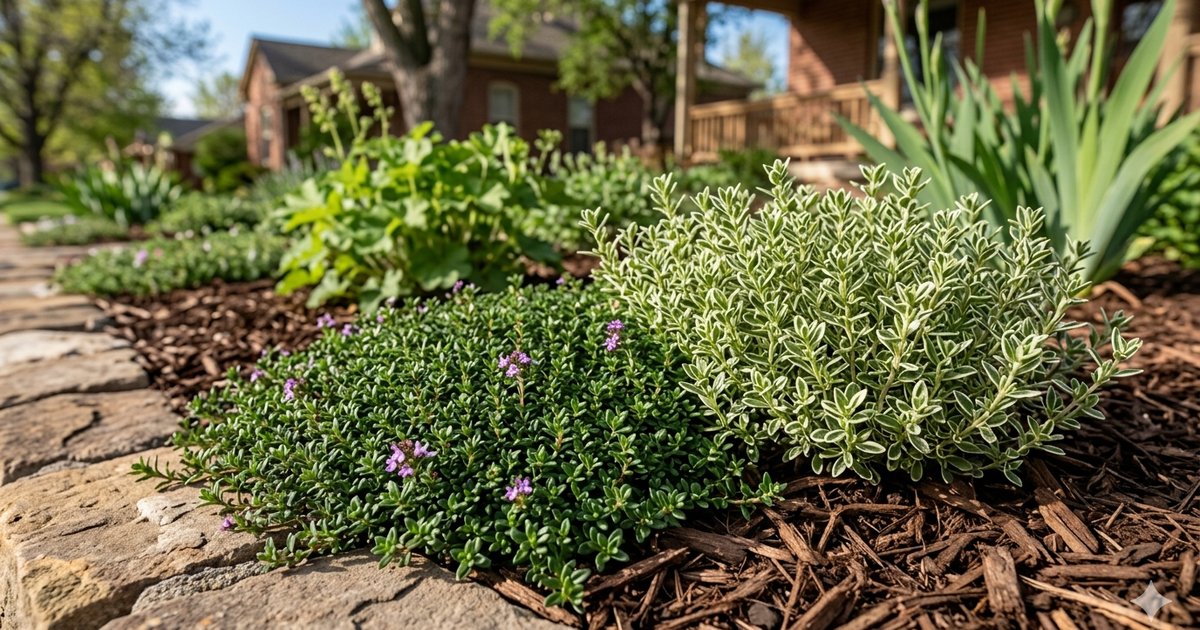
Few plants work harder in a Colorado garden than creeping thyme. Tough enough to handle sun, drought, and poor soils, yet attractive enough to soften pathways and rock gardens, these low-growing herbs have become favorites among Front Range gardeners.
Among the many varieties available, Elfin Thyme and Silver-Edged Thyme stand out for their beauty, versatility, and ability to thrive in Northern Colorado conditions. Whether you're looking to fill spaces between stepping stones, edge a garden path, or add texture to a rock garden, these fragrant groundcovers deserve a closer look.
At a Glance Care Guide
Common Names: Elfin Thyme, Silver-Edged Thyme
Botanical Name: Thymus species and cultivars
Plant Type: Perennial groundcover herb
USDA Zones: 4–9
Height: 1–4 inches
Spread: 12–24 inches
Sun Exposure: Full sun
Water Needs: Low once established
Bloom Time: Early to mid-summer
Flower Color: Pink to lavender
Pollinator Friendly: Yes
Why Fort Collins Gardeners Love Creeping Thyme
Northern Colorado gardeners face unique challenges. Intense sunlight, drying winds, alkaline soils, and periods of drought can quickly expose weaknesses in many landscape plants.
Elfin Thyme and Silver-Edged Thyme are remarkably well suited to these conditions. Once established, they require relatively little irrigation and tolerate the lean, well-drained soils often found along the Front Range.
Their aromatic foliage releases a pleasant herbal fragrance when brushed or stepped upon, making them ideal companions for patios, pathways, and seating areas.
Understanding the Difference
While both plants belong to the thyme family and share similar growing requirements, they offer different visual effects.
Elfin Thyme
Elfin Thyme forms one of the lowest and densest mats of any thyme variety. Tiny green leaves create a smooth carpet that can weave between flagstones and garden pavers. During summer, small pink flowers attract bees and other beneficial pollinators.
Because of its exceptionally low profile, Elfin Thyme is often chosen when gardeners want a lawn-like appearance in small spaces.
Silver-Edged Thyme
Silver-Edged Thyme offers a brighter, more ornamental appearance. Its small green leaves are outlined with creamy white margins, creating year-round visual interest even when the plant is not blooming.
The variegated foliage pairs beautifully with natural stone, gravel pathways, and drought-tolerant perennial beds.
Best Planting Times in Fort Collins
The best times to plant both varieties are:
- Late April through early June
- Early September through early October
These cooler periods allow roots to establish before the stresses of summer heat or winter cold arrive.
Avoid planting during the hottest weeks of July whenever possible.
Choosing the Right Location
Success begins with proper placement.
These thymes thrive in:
- Full sun locations
- Rock gardens
- Between stepping stones
- Along pathways
- Raised beds
- Dry slopes
- Xeriscape gardens
They prefer excellent drainage and can struggle in areas where water remains after irrigation or heavy rain.
If your soil contains significant clay, amend the planting area with compost and coarse grit to improve drainage before planting.
Watering and Maintenance
Newly planted thyme benefits from regular watering during its first growing season.
Once established, both Elfin Thyme and Silver-Edged Thyme become surprisingly drought tolerant.
A good rule is to water deeply but infrequently, allowing the soil surface to dry between irrigations.
Minimal maintenance is required. Trim lightly after flowering if desired to encourage a tidy appearance and fresh growth.
Pollinator Benefits
When blooming, creeping thyme becomes a magnet for pollinators.
Honeybees, native bees, and small beneficial insects are drawn to the clusters of pink and lavender flowers that appear throughout summer.
Gardeners seeking to support pollinator populations can use thyme as a beautiful and functional component of wildlife-friendly landscapes.
Companion Plants for Northern Colorado Gardens
Elfin Thyme and Silver-Edged Thyme combine well with many drought-tolerant perennials and ornamental grasses.
Excellent companions include:
- Lavender
- Catmint
- Blue Fescue
- Penstemon
- Ice Plant
- Hens and Chicks
- Sedum
- Yarrow
- Gaillardia
- Blanket Flower
These combinations create colorful, water-wise landscapes that perform well in Fort Collins' climate.
Common Problems
Fortunately, creeping thyme experiences few serious issues.
The most common challenges include:
Excess Moisture
Poor drainage can lead to root rot, particularly during wet periods.
Winter Wetness
Plants generally tolerate cold temperatures but dislike sitting in saturated soil during winter.
Overcrowding
As neighboring plants mature, they may shade thyme and reduce vigor. Maintain good sunlight exposure for best performance.
Is It Walkable?
One of the most common questions gardeners ask is whether creeping thyme can be stepped on.
The answer is yes—with moderation.
Both Elfin Thyme and Silver-Edged Thyme tolerate occasional foot traffic and are excellent choices between stepping stones. However, they are not replacements for heavily used lawns or play areas.
For pathways and garden accents, they perform beautifully.
A Natural Fit for Colorado Landscapes
For gardeners seeking a low-growing, fragrant, and water-wise groundcover, Elfin Thyme and Silver-Edged Thyme offer an appealing combination of beauty and resilience.
Their ability to thrive in sunny locations, attract pollinators, and soften hardscape features makes them valuable additions to Fort Collins gardens. Whether tucked between flagstones, cascading over rocks, or edging a perennial border, these charming thymes bring year-round texture and seasonal color to the landscape while asking for remarkably little in return.
Facts Only
* Common Names: Elfin Thyme, Silver-Edged Thyme
* Botanical Name: *Thymus* species and cultivars
* USDA Zones: 4–9
* Height: 1–4 inches
* Spread: 12–24 inches
* Sun Exposure: Full sun
* Water Needs: Low once established
* Bloom Time: Early to mid-summer
* Flower Color: Pink to lavender
* Plant Type: Perennial groundcover herb
* Elfin Thyme forms dense, low mats of green leaves.
* Silver-Edged Thyme has leaves outlined with creamy white margins.
* Thymes tolerate lean, well-drained soils.
* Planting times: Late April through early June; Early September through early October.
* Thriving locations include rock gardens, pathways, and dry slopes.
* Common problems include root rot from excess moisture and winter wetness.
Executive Summary
Creeping thyme varieties, specifically Elfin Thyme and Silver-Edged Thyme, are recommended for gardening in Northern Colorado due to their tolerance for intense sun, drought, and poor soils. These perennial groundcover herbs are suitable for zones 4–9, thriving in full sun exposure. They require low water once established and are ideal for softening pathways, rock gardens, and spaces between stepping stones.
Elfin Thyme forms dense, low mats of small green leaves, while Silver-Edged Thyme features variegated foliage with creamy white margins. Both plants are highly drought-tolerant and thrive in well-drained, lean soils. They release a pleasant herbal fragrance and attract pollinators like honeybees and native bees when in bloom, offering functional aesthetic benefits to the landscape.
The optimal planting times are late April through early June and early September through early October. Success depends on proper placement in full sun, excellent drainage, and allowing the soil to dry between infrequent waterings.
Full Take
The article positions creeping thyme as a panacea for the specific challenges of the Northern Colorado climate, framing the plants not just as decorative options but as resilient solutions to environmental stress (drought, alkaline soils). This framing appeals to a desire for simplicity and low-maintenance gardening.
The narrative relies heavily on the assertion that the plants are "remarkably well suited" to these conditions. This implicitly leverages the gardener's desire for ease by establishing a strong association between the plant and successful, effortless adaptation to regional hardship. The emphasis on water tolerance and tolerance for poor drainage sets up an expectation that these plants are inherently forgiving, minimizing the cognitive load associated with complex soil management.
The visual distinction between the two varieties (dense mat vs. variegated edges) is presented as the primary point of difference, diverting attention from the ecological or horticultural nuances of their growth habits. The connection to pollinator attraction positions the plants as ecologically beneficial assets, linking aesthetic choice directly to environmental support.
The underlying pattern is one of simplifying complexity: difficult environmental factors are solved by selecting a naturally resilient, attractive, and fragrant plant. This pattern implicitly suggests that the complexity of managing the regional environment can be overcome by selecting the 'right' landscape components.
Patterns detected: ARC-0024 Ambiguity, ARC-0043 Motte-and-Bailey, ARC-0015 Authority Games