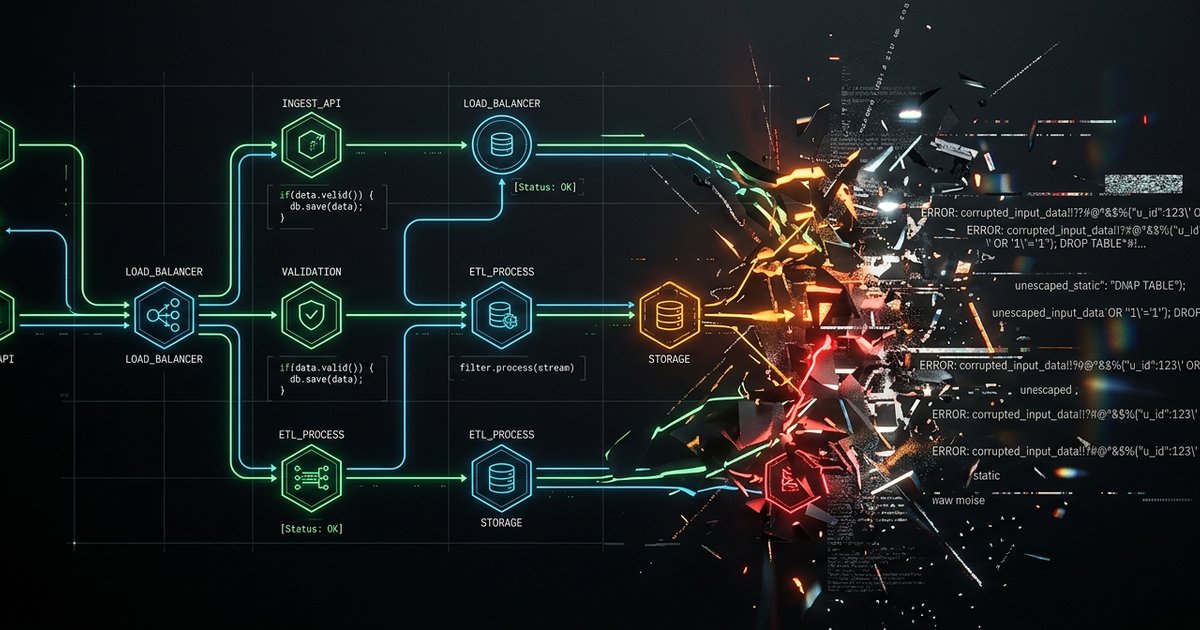
The intersection of artificial intelligence and creative writing often feels like an uneasy compromise. When tasking a Large Language Model with structural, high-stakes adaptation—like transforming Homer's Odyssey into a modern, hip-hop theater production—the limitations of the technology quickly become apparent. A model left to its own devices often suffers from "voice-bible bleed," dropping into verbatim plagiarism of its training constraints or reference material rather than inventing original lyrics. It leaves behind structural artifacts: stray formatting labels, double-headings, and misattributed character cues.
For ATHENA: The HipHop Odyssey, the solution wasn't to throw a larger model at the problem or rely on manual, line-by-line debugging. Instead, it required building a localized, multi-stage automation pipeline—`polish2.py`—that treats creative editing as a deterministic, metric-gated software engineering problem.
The Philosophy: Soft Form, Hard Gates
The core architecture of this approach relies on a clear division of labor between deterministic algorithms and generative passes, governed by strict metrics. In a creative framework, some rules are unyielding, while others must remain malleable to protect the art:
- The Plagiarism Gate (HARD): Voice-bible bleed is treated as a fatal compilation error. If a generated stanza shares too much structural or phrase-level identity with the core reference cadence, the pass fails. The system locks the LLM into an iterative loop (up to six rounds), calculating an objective overlap metric each time, and refuses to ship the code unless that overlap drops to absolute zero.
- The Form Gate (SOFT): Mechanical perfection is the enemy of performance. While the engine monitors rhyme-breaks and meter deviations, it recognizes that forcing a rigid rhyme scheme can soften a plot-critical line or break a character's emotional cadence. Therefore, form adjustments are entirely opt-in and metric-gated: a rewrite is only committed if it measurably improves the structural integrity without introducing new plagiarism leaks. If the metric holds steady or worsens, the system rolls back to the original human-vetted lines.
The Three-Stage Engineering Pipeline
The code executes a clean, three-phase sweep across the raw script files, decoupling routine text cleanup from deep linguistic iteration.
```
[ Raw Scene Script ]
│
▼
┌────────────────────────────────────────────────────────┐
│ STAGE 1: Deterministic Artifact Guard │
│ ── Removes scaffold leaks, inline text tags, │
│ doubled headings, and canonicalizes character emoji.│
└────────────────────────────────────────────────────────┘
│
▼
┌────────────────────────────────────────────────────────┐
│ STAGE 2: Multi-Round Bleed Killer (HARD GATE) │
│ ── Computes SequenceMatcher similarity vs Bible. │
│ Loops up to 6x; rejects if overlap > 0. │
└────────────────────────────────────────────────────────┘
│
▼
┌────────────────────────────────────────────────────────┐
│ STAGE 3: Soft Rhyme Tightening (OPT-IN) │
│ ── Identifies worst rhyme-breaking lines per stanza. │
│ Commits only if rhyme-breaks drop cleanly. │
└────────────────────────────────────────────────────────┘
│
▼
[ Metric-Verified Polished Script ]
```
Stage 1: The Deterministic Artifact Guard
Before any generative model touches the text, the script strips away the mechanical noise left behind by early-stage drafting models. Using precise regular expressions, it targets standalone scaffold labels (such as `Verse 1:`, `Hook:`, or inline structural annotations like `(4 bars)`), corrects duplicated headings, and automatically normalizes character markers to their canonical emojis mapped out in the project configuration. Crucially, if it finds a character label inside a turn belonging to someone else, it leaves it intact and logs it for human review rather than risk a silent misattribution error.
Stage 2: The Multi-Round Bleed Killer
The heavy lifting occurs here. By isolating a fence of normalized lyric fragments from the core voice bible, the script calculates a rolling similarity ratio using sequence matching algorithms.
When a plagiarized run is identified, the engine extracts the stanza and calls a local model instance with a highly specific, structure-breaking prompt. Instead of allowing shallow synonym swapping, it isolates the exact lines triggering the gate, explicitly forbids reusing the source's images or rhyme anchors, and forces a wholesale rewrite. The pipeline evaluates the rewrite: if the overlap score isn't zero, it passes the improved candidate back into the loop as the new baseline, chipping away at the residual copying until the gate opens or the maximum round count triggers a human-review flag.
Stage 3: Soft Form Tightening
When explicitly enabled via the `--rhyme` flag, the pipeline runs a subtle phonetic sweep on song-attributed dialogue turns. It evaluates stanzas by matching trailing vowel structures to isolate lines that rhyme with neither neighbor. It then prompts the local model to adjust only that specific breaking line to match a target trailing word, checking the output to ensure that fixing a slant rhyme didn't inadvertently reintroduce a plagiarism bleed from Stage 2.
Verification at a Glance
The true value of this automated editorial desk is its operational clarity. It turns a nebulous task—"polishing a script"—into a transparent matrix of diagnostic data. A quick look at the runtime logs provides an immediate snapshot of structural performance across all 24 books of the epic:
```text
book | labels | scaf | head | emoji | bleed | rhyme | status
-----+--------+------+------+-------+-----------------------+-------+--------
22 | 2 | 0 | 0 | 1 | 1→0/1r | off | done
23 | 0 | 4 | 1 | 0 | 2→0/3r | 4→1 | done
24 | 1 | 0 | 0 | 0 | 1→1/6r⚠ | off | review
```
This matrix tells an executive production story: Book 22 was cleared in a single round; Book 23 required a 3-round generative loop to break its bleed bugs and successfully dropped its rhyme-breaks from four to one; Book 24 resisted automation, holding onto its core echoes after 6 rounds, and has been safely isolated for physical review rather than allowed to pollute the production branch.
By establishing programmatic guardrails around creative identity, the pipeline ensures that when the house lights go down and the hip-hop beats drop, the voice coming out of the speakers is wholly, authentically original.
Facts Only
Article title: The Intersection of Artificial Intelligence and Creative Writing: Polishing *ATHENA: The HipHop Odyssey*
Author: Not specified
Publication: Not specified
Entity involved: Arc Codex
Topic: Artificial intelligence, creative writing, automated editing pipeline, hip-hop adaptation of Homer's Odyssey
Executive Summary
Full Take
By employing a multi-stage automation pipeline and strict metric gates, the system demonstrates how AI can be used to support and streamline the creative process while maintaining artistic integrity. The approach highlights the potential for AI in the entertainment industry, where it could be leveraged for adaptations, remixes, or original works across various mediums. However, it also raises questions about authorship, authenticity, and the role of AI in the creative industries.
As AI becomes more sophisticated, it may lead to new forms of collaboration between human artists and AI-powered tools, reshaping the creative landscape and challenging traditional notions of authorship. The development of such systems could potentially democratize access to creative opportunities for a broader range of people, enabling them to participate in the creation of art and entertainment on a larger scale.