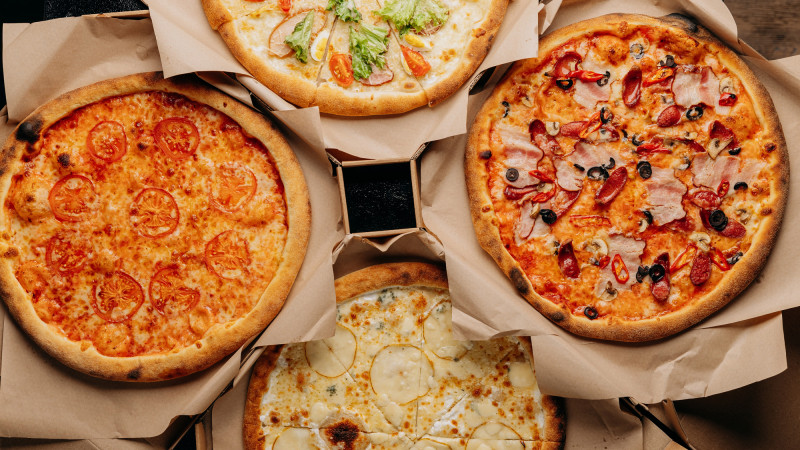
В США снова заметили резкий всплеск заказов в пиццериях рядом с Министерством обороны, который удивительным образом совпал по времени с очередной атакой американских военных на юге Ирана, передает Tengri Life.
Что произошло
Аккаунт Pentagon Pizza Report, который следит за загруженностью заведений общепита через открытые данные, зафиксировал всплеск заказов 25 мая в 17:45 по восточному времени США (26 мая в 03:45 по времени Астаны).
"Ближайшая к Пентагону пиццерия Papa Johns сообщает о более интенсивном трафике, чем обычно. Пивоварня и пиццерия Nighthawk Brewery & Pizza, расположенная прямо рядом с Пентагоном, сообщает о посещаемости выше среднего", — говорится в публикации.
The closest Papa Johns to the Pentagon is reporting busier than usual traffic.
— Pentagon Pizza Report (@PenPizzaReport) May 25, 2026
Nighthawk Brewery & Pizza, right next to the Pentagon, is reporting above average traffic.
As of 5:45pm ET pic.twitter.com/YP2fC4TUHF
Почему это обсуждают
В сети уже много лет существует неформальная теория: если у Пентагона резко растет число заказов еды, значит, внутри ведомства идет напряженная работа — возможно, связанная с военными операциями.
Сторонники этой идеи считают, что объяснение простое: сотрудники задерживаются на работе допоздна и у них просто нет времени на обед или ужин вне офиса.
Однако никаких официальных подтверждений такой связи нет. Сам проект Pentagon Pizza Report подчеркивает, что работает только с открытыми данными и не имеет доступа к внутренней информации.
Что происходило в это время
По сообщениям СМИ, в ту же ночь США нанесли новые военные удары по Ирану — в районе Бендер-Аббаса, рядом со стратегическим Ормузским проливом.
Представитель Центрального командования США Тим Хокинс подтвердил факт атак. При этом соглашение о временном прекращении огня, вступившее в силу 8 апреля, формально продолжает действовать.
Пользователи соцсетей предположили, что всплеск заказов еды может косвенно отражать усиленную работу военных структур в критические моменты. Но эксперты и сам сервис подчеркивают: речь идет лишь о наблюдениях по открытым данным, а не о достоверном индикаторе решений правительства.
Когда наблюдался последний крупный всплеск
Напомним, последний крупный всплеск заказов был в одни даты с захватом президента Венесуэлы Николаса Мадуро и и его супруги в Каракасе. По информации СМИ, 3 января активность в Pizzato Pizza зашкаливала глубокой ночью — с двух до четырех утра по местному времени.
Читайте также: Казахстан попал в карту мировых аниме-локаций
Facts Only
The Pentagon Pizza Report observed a spike in orders at Papa Johns and Nighthawk Brewery & Pizza near the Pentagon on May 25, 2026, at 17:45 ET.
The U.S. conducted military strikes on Iran’s Bandar Abbas region on the same night.
The strikes were confirmed by U.S. Central Command spokesperson Tim Hawkins.
A temporary ceasefire agreement, effective since April 8, remained in place during the attacks.
A similar surge in pizza orders occurred on January 3, 2026, coinciding with the detention of Venezuelan President Nicolás Maduro.
The Pentagon Pizza Report relies solely on open data and has no access to internal Pentagon information.
The theory linking food orders to military activity is unofficial and lacks formal validation.
Social media users speculated about a connection between the food traffic and military operations.
Executive Summary
Full Take
The narrative presents an intriguing correlation between Pentagon-adjacent food orders and military actions, but it’s essential to scrutinize the underlying assumptions. The strongest version of this story acknowledges the observable pattern while emphasizing its speculative nature—no causal link is proven, and the Pentagon Pizza Report itself disclaims any insider knowledge. However, the framing risks amplifying a "motte-and-bailey" dynamic: the core claim (correlation exists) is defensible, but the implied conclusion (food orders predict military moves) is overreach.
Historically, such patterns echo Cold War-era "Kremlinology," where analysts inferred Soviet intentions from indirect signals. Today, this reflects a broader cultural tendency to seek hidden meanings in data, especially in an era of information overload. The real-world implications are limited—unless the correlation is systematically studied, it remains anecdotal. Yet, the narrative’s persistence highlights how easily observational data can be weaponized for confirmation bias, particularly in geopolitical contexts where transparency is low.
Key questions arise: What would it take to validate or debunk this theory? Could this be a form of "security theater," where trivial data gains outsized significance? And if such patterns were exploited, who stands to benefit—analysts, media, or actors seeking to obscure real decision-making processes?
Counterstrike scan: A coordinated influence campaign might amplify this narrative to erode trust in official channels ("see, they’re hiding something!") or to normalize speculative analysis as fact. However, the content here doesn’t match that playbook—it presents the correlation as an observation, not a conspiracy. The lack of sensationalism or calls to action suggests healthy skepticism.
Patterns detected: ARC-0043 Motte-and-Bailey (defensible core, exaggerated implication), ARC-0024 Ambiguity (open-ended framing invites overinterpretation).
Sentinel — Human
The text exhibits strong journalistic grounding and a natural synthesis of disparate sources, indicating a high probability of human authorship rather than pure synthetic generation.