Ndërsa qytetarët dhe pjesëtarët e shoqërisë civile kanë zbritur për të tretën ditë radhazi në rrugët e Tiranës për të kundërshtuar projektin e ndërtimit në Zvërnec, aktivistët mjedisorë po denoncojnë një situatë të plotë paligjshmërie në terren.
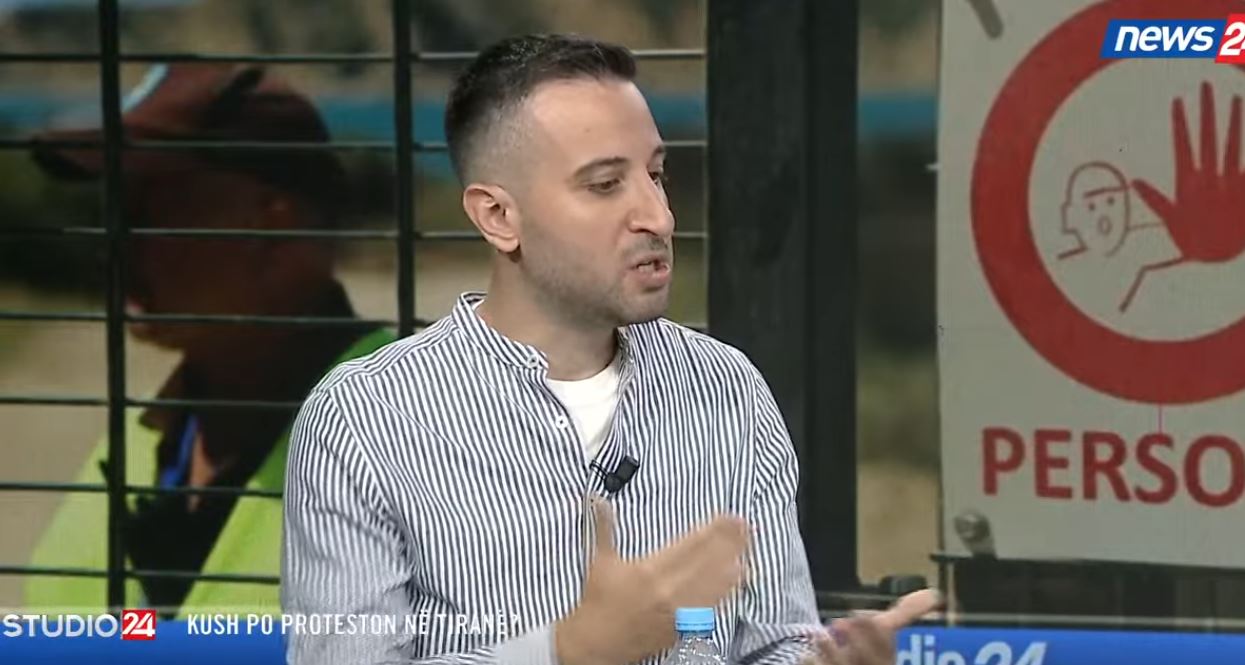
I ftuar në emisionin “Studio24”, aktivisti Zydjon Vorpsi ka reaguar ndaj deklaratave të kryeministrit Edi Rama. Sipas tij, institucionet po luajnë një lojë të dyfishtë, duke ftuar palët në dialog për një projekt që zyrtarisht pretendojnë se nuk ekziston në tavolinë, ndërkohë që makineritë e rënda kanë rrethuar zonën e mbrojtur.
Vorpsi theksoi se lëvizja qytetare nuk mund të pranojë diskutime me qeverinë për sa kohë në habitatin e Zvërnecit po ndërhyhet me dhunë ekologjike pa asnjë procedurë transparente.
“Kryeministri thotë hajde bëjmë dialog, por ne kërkojmë heqjen e telit me gjemba, të kamionëve dhe ekskavatorëve që janë prej kohësh aty dhe janë pa leje. Po shkatërrohet habitati. Një herë thotë nuk ka projekt, pastaj thotë hajde flasim. Janë dy botë paralele. Jemi në një situatë paligjshmërie ku autoritetet duhet të hiqnin mjetet. Kryeministri thotë do jetë investim i bukur, hajde flasim, por projekt nuk ka. Është një lëmsh i madh,” deklaroi aktivisti.
Shqetësimi më i madh i ngritur nga Vorpsi lidhet me shkeljen e hapur të procedurave ligjore. Ai kujtoi deklaratat e mëparshme të ministres së Mjedisit, e cila ishte justifikuar duke thënë se pamjet 3D apo renderat e publikuar në media nuk përbënin një aplikim zyrtar.
“Makineritë u futën pa proces konsultimi, pa diskutim. U lajmërua një projekt, por ka procedura ligjore që ndiqen. Ministrja e Mjedisit më parë ka thënë se meqë publikohen rendera, kjo nuk do të thotë se ka projekt zyrtar. Kanë thënë se nuk u ka ardhur projekt në tavolinë. Vazhdon të thuhet kjo, por ndërkohë makineritë u futën në zonë! Kjo u denoncua si çdo paligjshmëri tjetër,” përfundoi Vorpsi.
Facts Only
Citizens and civil society members have protested for three consecutive days in Tirana.
The protests are against a construction project in Zvërnec, a protected area.
Activist Zydjon Vorpsi appeared on the show "Studio24" to respond to Prime Minister Edi Rama's statements.
Vorpsi accused institutions of acting with dual standards, inviting dialogue while allowing heavy machinery to operate in Zvërnec.
Heavy machinery, including excavators and trucks, has been present in Zvërnec without permits.
The habitat in Zvërnec is being destroyed, according to Vorpsi.
Prime Minister Rama has called for dialogue, but protesters demand the removal of machinery before any talks.
The Minister of Environment previously stated that published 3D renders did not constitute an official project application.
Machinery entered the area without consultation or discussion processes.
Authorities have claimed no formal project exists, yet construction activities are ongoing.
Vorpsi described the situation as illegal and demanded authorities remove the equipment.
The protests denounce the lack of transparency and adherence to legal procedures.
Executive Summary
Citizens and civil society members have been protesting for three consecutive days in Tirana against a construction project in Zvërnec, a protected area. Activists, including Zydjon Vorpsi, accuse authorities of illegal actions, citing heavy machinery operating without permits and destroying the habitat. Prime Minister Edi Rama has called for dialogue, but protesters demand the removal of equipment and transparency before any discussions. The Minister of Environment previously dismissed 3D renders of the project as unofficial, yet machinery has been deployed in the area. The situation highlights tensions between government claims of no formal project and on-the-ground activities, raising concerns about procedural violations and ecological harm.
The conflict centers on allegations of institutional double standards, with activists arguing that authorities are bypassing legal processes while publicly advocating for dialogue. The lack of clear communication and conflicting statements from officials have fueled distrust. Protesters insist on halting all construction activities until proper consultations and environmental assessments are conducted, framing the issue as a broader struggle for accountability and ecological protection.
Full Take
The strongest version of this narrative presents a clear case of institutional hypocrisy: authorities publicly advocate for dialogue while allegedly enabling ecological destruction through illegal construction activities. Activists frame this as a fight for transparency and environmental justice, with the government’s conflicting statements—denying a formal project while machinery operates—undermining trust. The pattern here aligns with **ARC-0024 Ambiguity**, where officials use vague or contradictory claims to evade accountability, and **ARC-0043 Motte-and-Bailey**, retreating to procedural defenses ("no official project") while advancing material actions (construction).
At its root, this conflict reflects a paradigm of governance where economic development is prioritized over ecological and procedural integrity, often justified through opaque decision-making. The unstated assumption is that public consultation is optional when "progress" is at stake, echoing historical patterns of environmental exploitation under the guise of modernization. The implications extend beyond Zvërnec: if authorities can bypass legal safeguards here, what prevents similar violations elsewhere? The cost is borne by ecosystems and communities, while benefits accrue to unnamed investors and political actors.
Bridge questions: What evidence would verify whether the project has formal approval? How might independent environmental assessments shift the debate? What mechanisms could ensure meaningful public participation in such decisions?
Counterstrike scan: A coordinated influence campaign would exploit public outrage to polarize discourse, framing this as a binary choice between "development" and "obstruction." The actual content, however, focuses on procedural violations and transparency, not ideological opposition to growth. No structural alignment with a manipulative playbook is detected.
Sentinel — Human
The text is highly focused and emotionally driven, successfully capturing the friction between official legal processes and physical action, which strongly indicates human-generated, high-impact reporting.