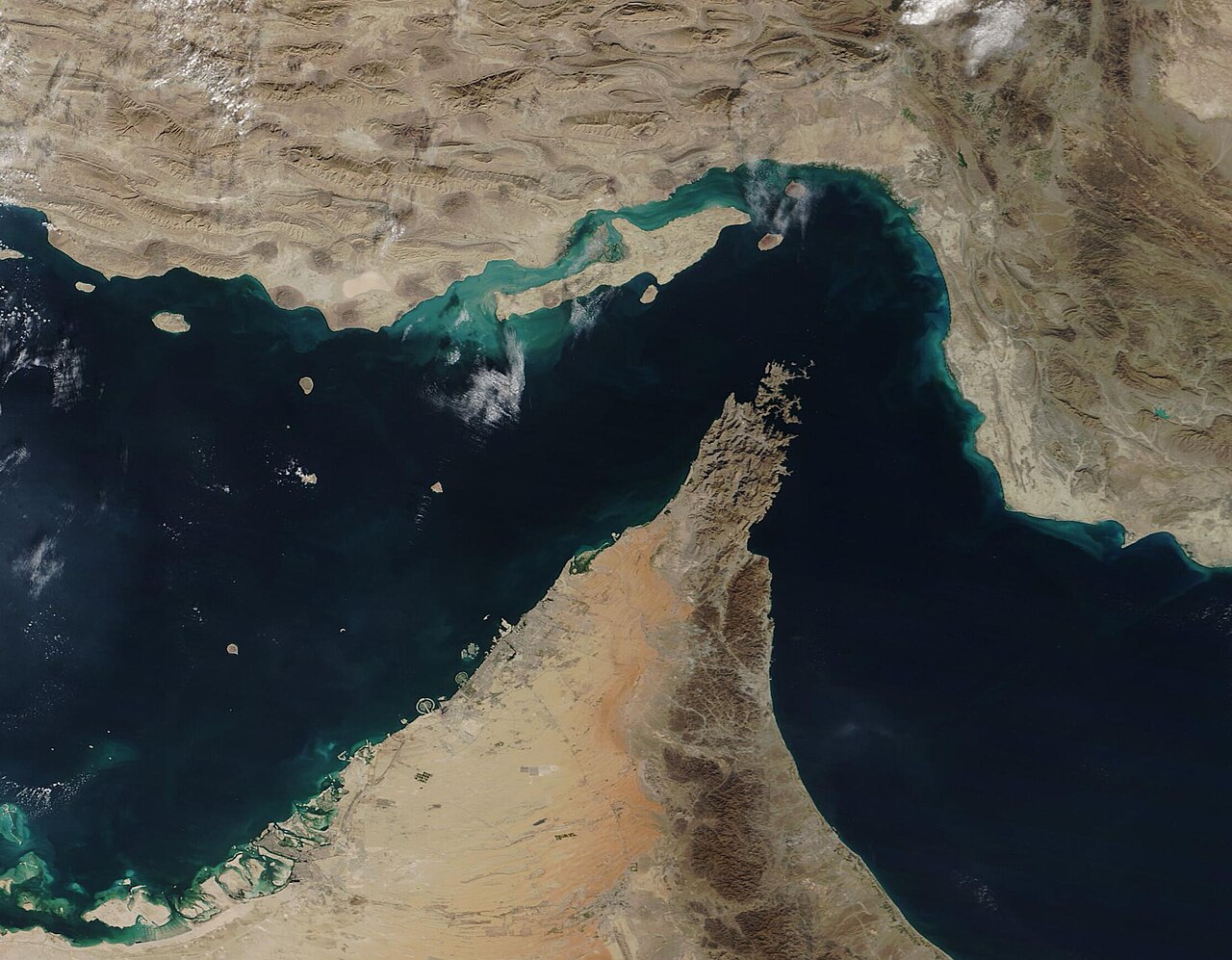
The blockade has sent ripples across the world’s supply chains but, while all eyes are on the price of oil, Gulf states are developing a more resilient infrastructure strategy.
Coming in the midst of a building boom, the Hormuz disruption exposed the vulnerability of the Gulf’s construction model, which relies on global supply chains to bring in equipment and materials.
One of our partners there noted that project budgets remain secure but importing hardware and materials has become a lot harder.
Adversity drives innovation, though, and the situation is accelerating initiatives like the UAE’s “Make it in the Emirates” programme to stimulate local manufacturing.
This is good news. By incentivising domestic production of critical construction materials and equipment, from steel to specialized components, the region can de-risk its megaprojects from geopolitical shocks.
Regional rail is back
Wisely, members of the Gulf Cooperation Council (GCC) countries are now looking inward and overland.
After lying dormant for years, the 2,100km-long GCC Railway linking all six Gulf states is showing signs of life again.
In the last two weeks, the Saudi cabinet approved the multilateral project agreement and launched a tender for design consultancy services, while Kuwait approved the right-of-way and land allocation for the route on its soil, EnterpriseAm reports.
Projects like the Etihad Rail in the UAE and its connection with Oman are also progressing with renewed vigour.
The railway will create a new corridor for intra-regional transport of goods, raw materials, and heavy construction machinery.
Imagine a future where a surplus of manufactured goods in one Gulf nation can be efficiently transported by rail to a megaproject in another, completely bypassing contested maritime routes.
Digital technology boosts resilience
While manufacturing and logistics are the physical components of resilience, digital technology is the intelligent layer that optimises them.
The lessons learned during the COVID-19 pandemic, where remote work and collaboration became standard, have prepared our industry for this moment.
Digital twins and 4D scheduling allow project managers to move from a reactive stance to a predictive one.
Teams can run simulations to re-evaluate schedules based on available materials, optimise construction sequences, and identify bottlenecks before they arise.
It helps project leaders be agile and flexible in the situation at hand and get back on track stronger and smarter than before once the situation calms down.
The flexibility from digital twins, 4D scheduling and predictive modeling ensures that momentum is maintained even when the physical site work is in flux.
Designing for conflict resilience
Perhaps the most profound lesson from what’s happening in the Gulf region is the need to evolve the industry’s definition of resilience.
For years, it has meant climate resilience: building infrastructure to withstand rising sea levels and extreme heat. Now, we must consider conflict resilience as another critical design parameter.
This means asking new questions in the planning and design phase. How can we design assets like desalination plants and transportation networks to be less vulnerable to physical threats?
It could involve re-evaluating subsurface engineering to create stronger foundations or incorporating hardened shelters into the design of public infrastructure.
Embedding these considerations into asset lifecycles will help safeguard the viability of the region’s economic vision.
The challenges in the Gulf are a microcosm of a new global reality. The region’s response offers a blueprint for building more resilience through infrastructure everywhere.
Nathan Marsh is senior vice president and regional executive for EMEA at Bentley Systems.
- Subscribe to our newsletter here to receive construction news and insights from around the world straight to your inbox
Facts Only
* The Hormuz disruption exposed the vulnerability of the Gulf’s construction model, which relies on global supply chains.
* Project budgets remain secure, but importing hardware and materials has become harder.
* The UAE launched the “Make it in the Emirates” programme to stimulate local manufacturing.
* GCC members are reviving the 2,100km-long GCC Railway linking all six Gulf states.
* The Saudi cabinet approved a multilateral project agreement and launched a tender for design consultancy services for the railway in the last two weeks.
* Kuwait approved the right-of-way and land allocation for the GCC Railway route.
* Projects like the Etihad Rail in the UAE and its connection with Oman are progressing.
* The railway is intended to create a corridor for intra-regional transport of goods, raw materials, and heavy construction machinery.
* Digital twins and 4D scheduling allow project managers to move from a reactive stance to a predictive one.
* Project managers use simulations to re-evaluate schedules and optimize construction sequences.
* The industry is exploring conflict resilience as a critical design parameter alongside climate resilience.
Executive Summary
Full Take
The narrative positions regional action as a successful, proactive response to geopolitical instability, framing infrastructure development and digital innovation as reliable solutions for systemic risk. This framing risks overlooking the underlying power dynamics that define what constitutes "resilience" and who benefits from the resulting shifts. The pivot from relying on global supply chains to localized manufacturing and regional rail represents a strategic effort to decouple economic viability from external shocks, suggesting a movement toward self-sufficiency.
The emphasis on digital tools like digital twins and 4D scheduling is presented as a pure mechanism for optimizing momentum, which serves to soothe uncertainty about physical construction. This can function as a distraction, focusing attention on operational agility rather than structural geopolitical vulnerabilities. The call to embed "conflict resilience" into design is a profound conceptual shift, moving the conversation from physical protection (climate) to strategic hardening (conflict). However, the success of this shift depends on whether the political will is applied equally to developing the technology and addressing the security concerns driving the need for resilience.
The pattern observed is the transformation of a physical vulnerability (supply chain dependency) into a technological and physical solution (localized production and rail transport). The implication is that resilience is achievable through internal, managed optimization. A critical question remains whether this focus on internal systemic resilience sufficiently addresses the external, unmanaged geopolitical pressures that originate the need for the shift in the first place, and whether the costs of this new infrastructure will be distributed equitably across the region.
Sentinel — Human
The text demonstrates strong grounding in specific regional and industry details, suggesting human authorship and careful integration of external sourcing, rather than pure synthetic generation.